Oil prices decline as tensions ease between U.S. and Iran
Market analysts hold differing views on the potential trajectory of the conflict between the United States and Iran following recent midterm elections. Despite initial market reactions suggesting a possible agreement, some anticipate a potential escalation.
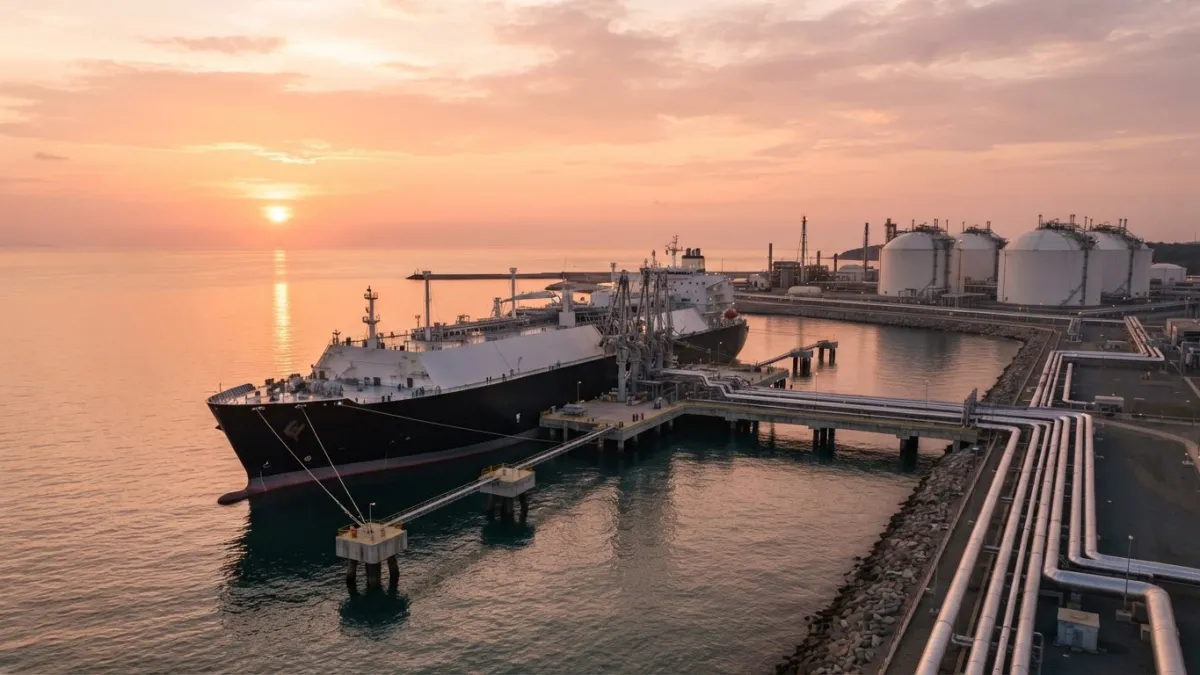
ING strategists Ewa Manthey and Warren Patterson noted Tuesday that prices have decreased as expectations of de-escalation grow. They highlighted the recovery of regional oil flows and reports indicating a potential shift in Iran’s stance on controlling the Strait of Hormuz as contributing factors.
“For now, the return of more Gulf barrels and the prospect of easing tensions are taking some of the geopolitical premium out of crude. However, with regional negotiations still uncertain and infrastructure risks persisting, we expect oil prices to remain sensitive to developments in the Middle East,” the strategists stated.
Energy consultancy chairman Fereidun Fesharaki expressed skepticism regarding the possibility of a peace deal during an appearance on CNBC’s “Squawk Box Asia.” He emphasized the significant divide between the U.S. and Iran, particularly concerning Iran’s nuclear material and control of the Strait of Hormuz.
“The difference between the two sides is so wide, it cannot be bridged,” Fesharaki said. “The U.S. wants all the nuclear material, enriched material, to be transferred out of Iran, and there is no way that the Iranian regime would agree to this, and there is no way the Iranian regime would agree to let the Strait of Hormuz be open for a free flow of oil the way it was before the war.”
Fesharaki further suggested that U.S. President Trump faces a choice between declaring victory and disengaging or initiating military action, with a limited timeframe for such action alongside Israeli Prime Minister Netanyahu.
Recent Israeli elections saw Netanyahu’s party failing to secure a majority, with Gadi Eisenkot, former chief of the Israel Defense Forces, now tasked with forming a government.
Source
“Brent crude falls below $90 for first time since August on Iran war de-escalation hopes”
Read the original report ↗This story was written with the help of AI from the original report credited above and published after automatic checks. No person read it before publication. Errors reported to us are corrected and listed on our corrections page. Read our editorial policy · Report an error · Corrections
Read next

German inflation cools slightly in October, fueled by fuel discount
Inflation in Germany eased in October, preliminary data from the Federal Statistical Office confirmed. The consumer price index fell to 2.8 percent…
Related


Caught up in five lines
The Brief: the day’s biggest business stories, written by our desk at and .