Soaring gas prices mark highest point in election history
As the nation digests the results of the 2026 midterm elections, a familiar economic reality is resurfacing: energy prices significantly influence voter sentiment. Democratic strategist James Carville’s famous assertion about the economy’s importance in elections rings true, particularly when gasoline prices are elevated.
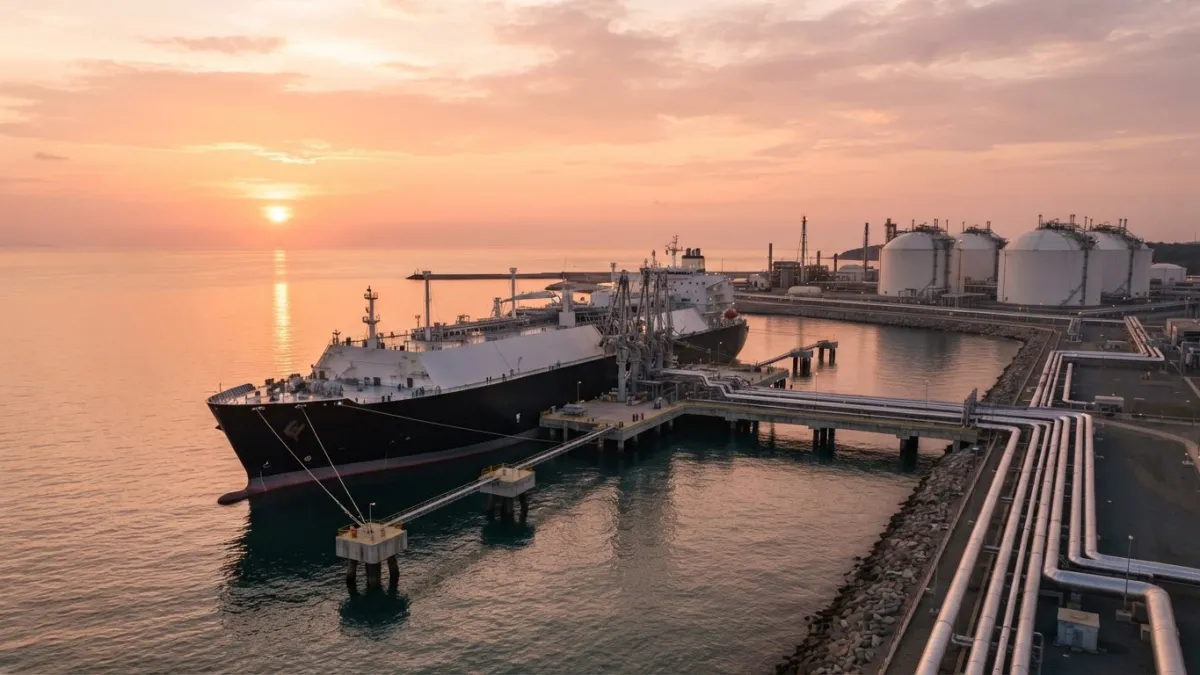
Midterm elections often shift the balance of power, and historically, they have been challenging for incumbent presidents. Numerous factors impact gasoline prices, largely dictated by global supply and demand. Over 60% of the world’s crude oil is transported by ocean tankers, with a significant 20% of global supplies passing through the Strait of Hormuz, which has been severely restricted due to the ongoing conflict with Iran.
Rising energy costs ripple through the economy, contributing to inflation and impacting food prices. Voters are acutely aware of these changes, and high gasoline prices often lead to decreased support for incumbents. For the 2026 midterm election, prices reached a record high, creating a difficult position for Republicans defending their record.
Past presidencies have grappled with the political fallout of high fuel prices. Richard Nixon faced an energy crisis in 1973 when Arab nations imposed an oil embargo in response to U.S. support for Israel, causing crude oil prices to surge 184%. Federal price controls Nixon implemented failed to prevent gasoline prices from increasing 32%. Gerald Ford’s “Whip Inflation Now” campaign proved ineffective, and by 1976, gas prices exceeded 60 cents a gallon (equivalent to $3.49 in late 2026).
Jimmy Carter’s presidency (1977-1980) was also marked by high gasoline prices and inflation, ultimately contributing to his defeat by Ronald Reagan. Reagan’s policies, including deregulation and increased oil production, eventually led to lower prices. However, Republicans still lost seats in the 1982 midterm election.
During Donald Trump’s first term, gasoline prices rose 22% leading up to the 2018 midterms, resulting in a significant loss of House seats for Republicans.
President Joe Biden’s administration has attempted to mitigate rising energy costs, including releasing oil from the Strategic Petroleum Reserve. However, decisions such as canceling the Keystone XL pipeline project and suspending new oil and gas leases have also impacted supply. Inflation peaked at 9.1% in June 2022, and gasoline prices reached a record high of $4.929 per gallon ($5.60 adjusted for inflation).
The 2022 midterm election saw Democrats lose a smaller number of seats than initially feared, demonstrating that energy prices are not the sole determinant in voter decisions.
During the first year of Donald Trump’s second term, crude oil prices decreased, U.S. oil production increased, and gasoline prices fell. However, on February 28, 2026, military action against Iran disrupted oil production and tanker traffic through the Strait of Hormuz, initially causing a significant drop in shipments, though traffic has since partially recovered.
Source
“Gas was pricier on this Election Day than any before it — up almost 40% to $4.15 a gallon since the Iran war began”
Read the original report ↗This story was written with the help of AI from the original report credited above and published after automatic checks. No person read it before publication. Errors reported to us are corrected and listed on our corrections page. Read our editorial policy · Report an error · Corrections
Read next

German inflation cools slightly in October, fueled by fuel discount
Inflation in Germany eased in October, preliminary data from the Federal Statistical Office confirmed. The consumer price index fell to 2.8 percent…
Related



Caught up in five lines
The Brief: the day’s biggest business stories, written by our desk at and .