Tech investments backfire as Democrats surge in midterm elections
Elon Musk’s substantial $446 million investment in Republican candidates during the midterm elections appears to have yielded unexpected results, leaving him among the biggest financial losers of the night. The election outcome reflects a broader voter discontent with the rapid expansion of data centers and the influence of Silicon Valley elites.
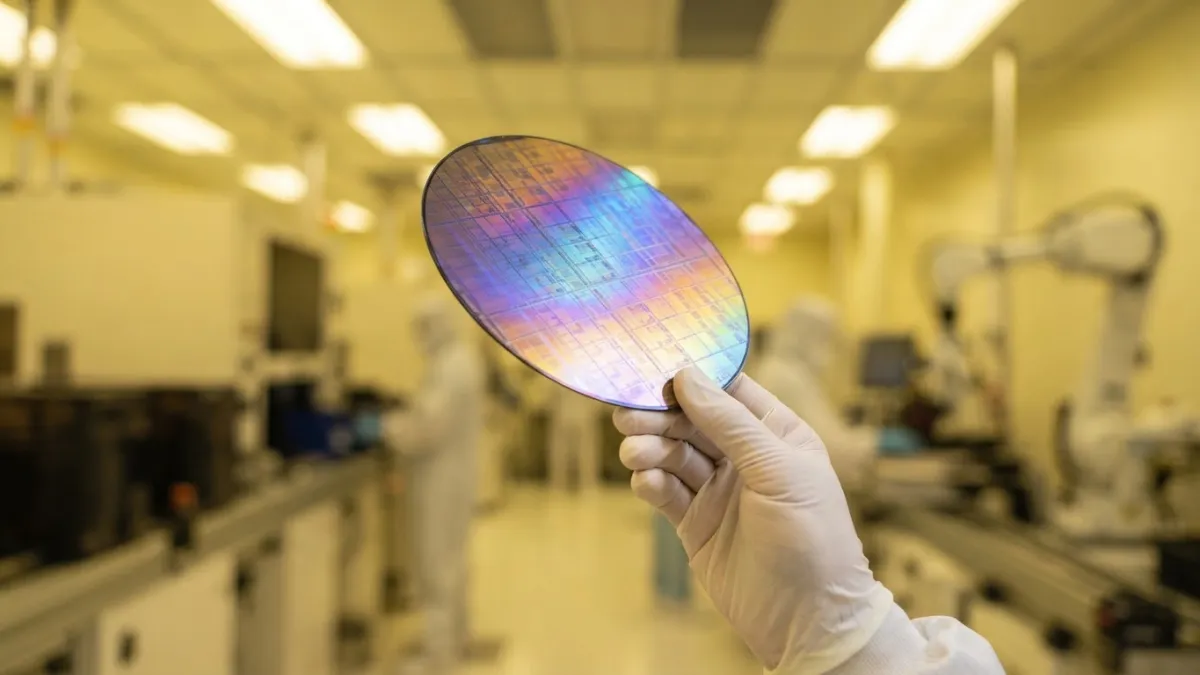
Markets demonstrated continued confidence in major tech companies like Microsoft, Amazon, and Alphabet, though shares of chipmakers experienced a dip. Companies providing cloud computing services for AI, such as CoreWeave and Nebius Group, saw more significant declines.
Despite the overall shift, tech billionaires saw some victories in California, where voters seemingly avoided a billionaire wealth tax. This measure, which could have prompted figures like Larry Page and Sergey Brin to relocate, appears to have been defeated, potentially paving the way for a competing measure championed by Governor Gavin Newsom.
This political realignment marks a significant change from 2024, when Big Tech companies, including Meta CEO Mark Zuckerberg and Amazon, donated to Donald Trump’s inaugural fund and contributed to a ballroom project at the White House. The subsequent years saw massive investments in data centers, fueling voter concerns about rising electricity bills, water consumption, and environmental pollution. A recent NBC News exit poll revealed that 76% of voters oppose new data center construction in their communities, with 56% citing AI and data centers as a key factor in their congressional votes.
Across the nation, over 30 ballot measures restricting data center development passed, particularly in Ohio, a hub for OpenAI’s $500 billion Stargate project. Texas’s newly elected Democratic governor, Gina Hinojosa, has pledged a moratorium on new data center construction. League City, Texas, also rejected license-plate reader cameras through a local ballot measure.
Democrats capitalized on anxieties surrounding AI’s potential impact on jobs and the future, positioning themselves to scrutinize Big Tech’s aggressive AI development. With control of Congress, Democrats can now subpoena tech executives and compel them to testify. Senator Ed Markey of Massachusetts signaled an era of increased oversight, stating that numerous subpoenas will be issued.
Musk relocated Tesla’s headquarters to Austin in 2021 and subsequently reincorporated both Tesla and SpaceX in Texas in 2024, citing favorable tax and legal policies. Tesla operates a manufacturing facility near Austin, and SpaceX launches its Starship rocket from Boca Chica.
Musk’s substantial donations were largely directed towards supporting Ken Paxton, the Texas state attorney general, who ultimately lost to Democrat James Talarico, a state representative from Austin. Talarico’s campaign centered on criticizing the influence of billionaires in politics. Talarico defeated Paxton by a margin of 12 points, while Governor Greg Abbott also lost his reelection bid to a Democratic challenger.
Musk responded to the election results on X, humorously suggesting his “election-interfering space lasers” had failed.
Source
“How a blue wave crushed the tech right”
Read the original report ↗This story was written with the help of AI from the original report credited above and published after automatic checks. No person read it before publication. Errors reported to us are corrected and listed on our corrections page. Read our editorial policy · Report an error · Corrections
Read next
Silicon Valley faces Democratic scrutiny over AI following Trump alignment
Concerns surrounding artificial intelligence, ranging from data centers to its impact on jobs and children, have reportedly shifted voter sentiment…
Related

Caught up in five lines
The Brief: the day’s biggest business stories, written by our desk at and .