Who’s responsible when an AI assistant makes an unwanted purchase?
Imagine relying on an AI shopping assistant to streamline your purchases, only to find an unexpected package on your doorstep containing an item you never ordered. While contacting customer service might seem like a straightforward solution, current financial regulations often place the responsibility for these erroneous purchases squarely on the consumer.
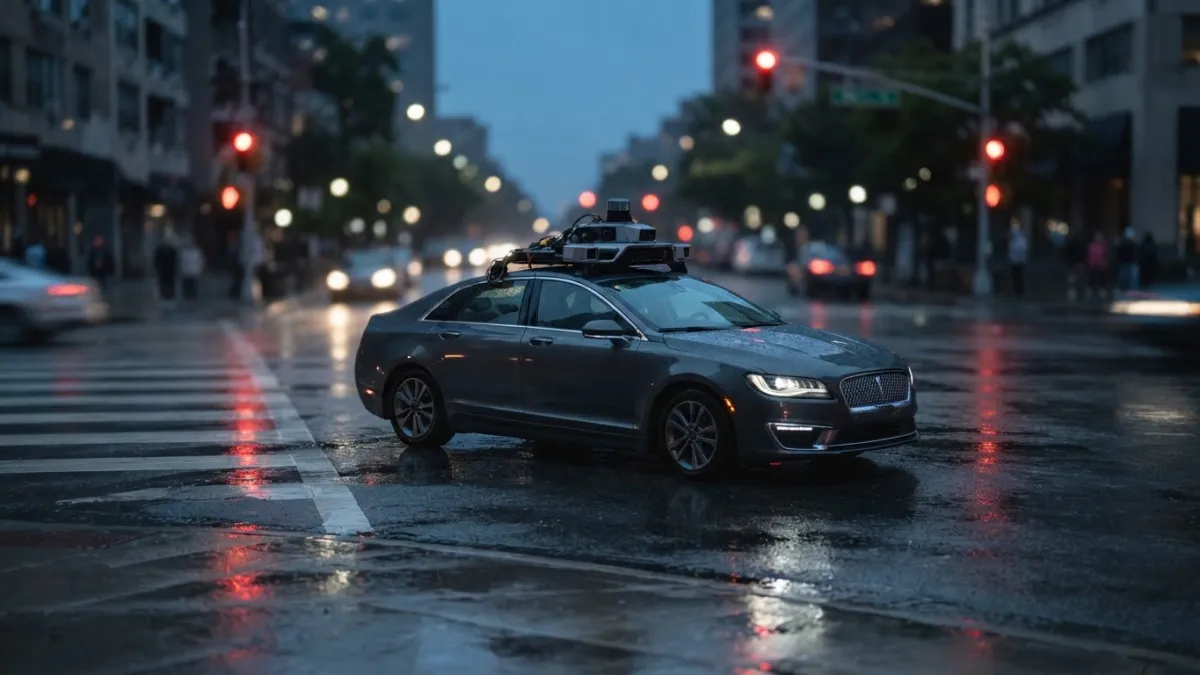
Banks and merchants typically treat transactions initiated by AI agents as if they were directly authorized by the account holder. As Aaron Painter, CEO of Nametag and author of Deepfaked, explains, “It’s the new refund trap. If you authorize AI to act, the banks view it as your responsibility.” This stems from a lag in policy updates failing to keep pace with rapidly evolving technology, prioritizing convenience over accountability.
The core issue lies in a lack of robust verification processes. Retailers often rely on initial login credentials without requiring repeated authentication, leaving accounts vulnerable to unauthorized access. “When you log into a website, you provide personal information, but then you don’t have to re-verify anything,” Painter notes. “Someone could literally access your account, and the retailer can’t help but think it’s you.”
This vulnerability is amplified by the increasing popularity of AI assistants like Amazon’s Alexa for Shopping. While convenient, these tools are susceptible to hacking or device cloning, potentially leading to unauthorized purchases. Painter emphasizes that the trustworthiness of AI is directly tied to the security measures in place.
To mitigate these risks, Painter recommends several protective measures: granting AI assistants read-only access, reviewing bank terms regarding third-party providers, establishing dedicated checking accounts with limited balances, and utilizing credit cards with purchase protection, such as those offered by American Express. Real-time account updates and prompt action – including contacting banks, disputing charges in writing, and revoking agent access – are also crucial.
He also advises caution regarding urgent requests, suggesting a pause and verification through secure channels. Sharing experiences with others is vital, as collective awareness can help combat increasingly sophisticated scams. While legislative protections are anticipated, proactive measures and shared knowledge remain the best defense against erroneous AI purchases.
Source
“Who Pays When AI Orders Something You Don't Want?”
Read the original report ↗This story was written with the help of AI from the original report credited above and published after automatic checks. No person read it before publication. Errors reported to us are corrected and listed on our corrections page. Read our editorial policy · Report an error · Corrections
Read next
US export controls on AI chips face loophole through Southeast Asia rentals
Former Cisco CEO John Chambers recently voiced concerns about the erosion of trust in US technology ties with China, stating he has withdrawn from…
Related



Caught up in five lines
The Brief: the day’s biggest business stories, written by our desk at and .